
Your Cart is Empty



Last Updated: November 23, 2026
Quick Summary
The right waterproof headphones for beach metal detecting are the ones whose connector matches your detector's socket and whose waterproof rating fits the water you will work in. Wired submersible models suit wet sand and surf best, while bone conduction options suit wading. Always confirm compatibility before buying.
Waterproof headphones for beach metal detecting need one thing above all: a connector and a waterproof rating that match your detector and the water you plan to work in. A pair that looks waterproof can still lose audio halfway through a session, so getting the match right before you buy saves that frustration. This guide covers what to check, which options suit beach work, and how to look after them once the sand and salt have had their turn.
Waterproof headphones for beach metal detecting are headphones built to keep working when wet, sandy or submerged, with a sealed speaker housing and a connector that seals against the detector's socket. The best choice depends on whether you'll be walking the dry sand, working the wet line, or wading into the surf.
For most beach hunters, we'd start with a model that carries a clear waterproof rating and is designed for your detector family. Suitable options in the catalogue include:
Watch out: A headphone that fits one detector's plug may not seal against another's. Always confirm the compatible models listed on the product page before you order.
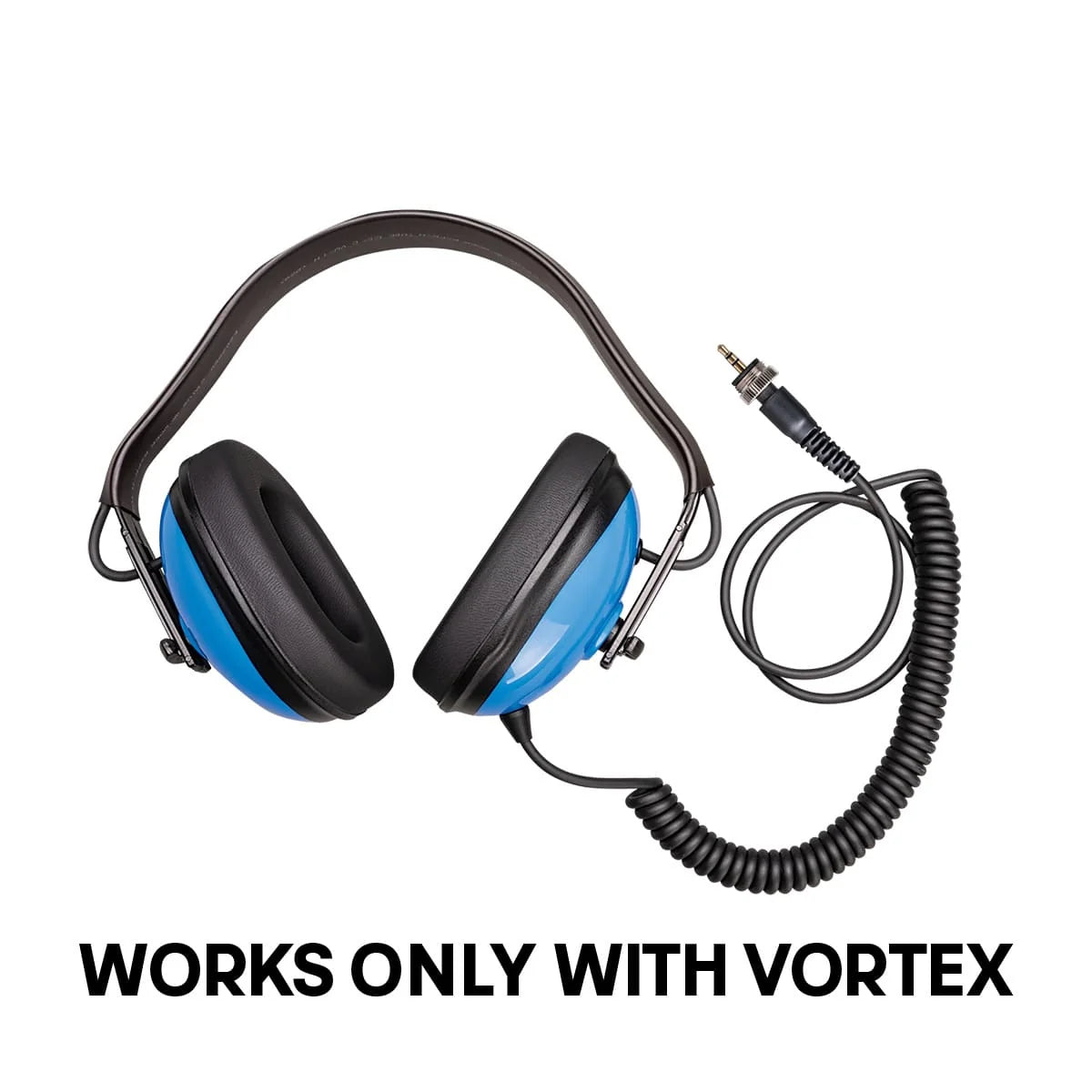
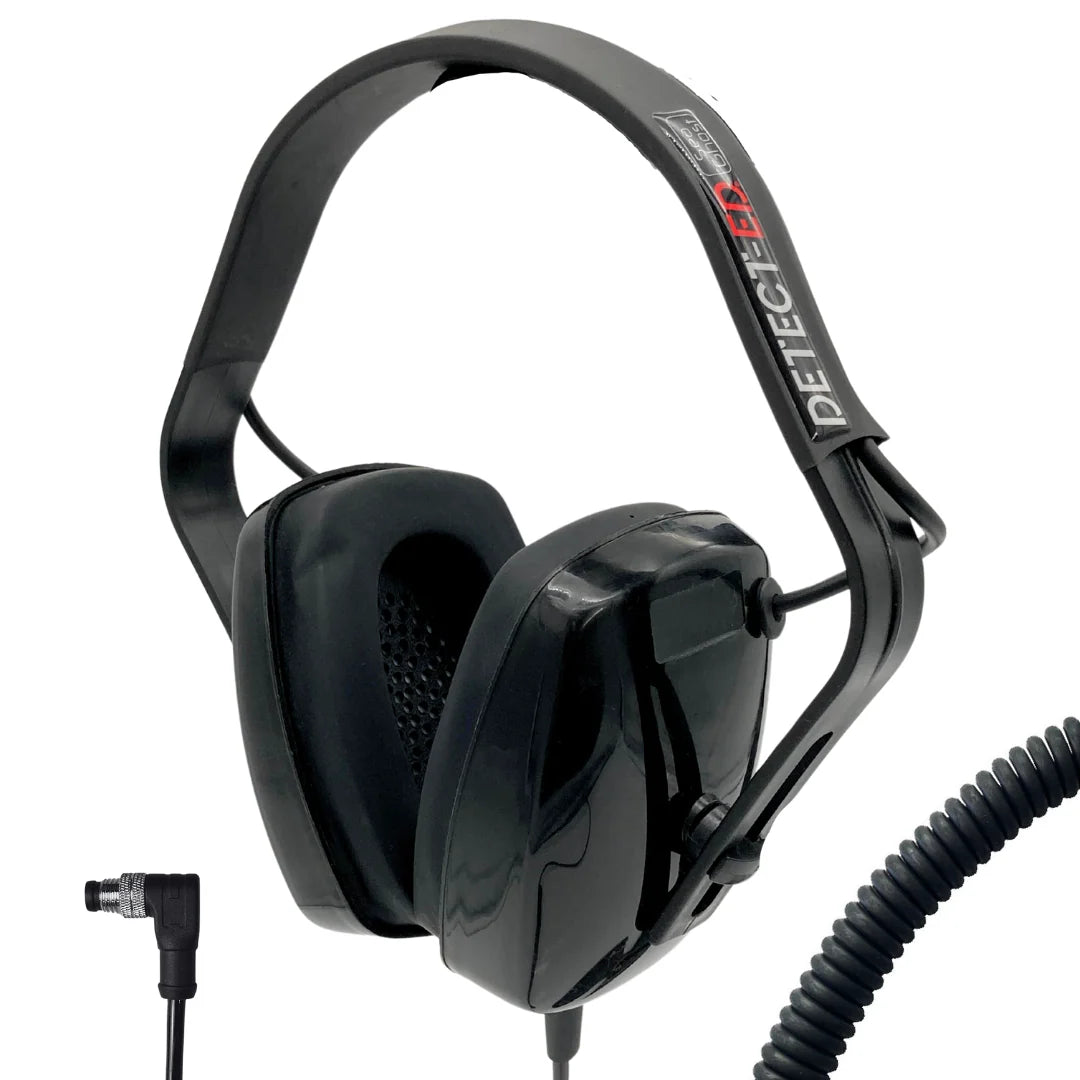
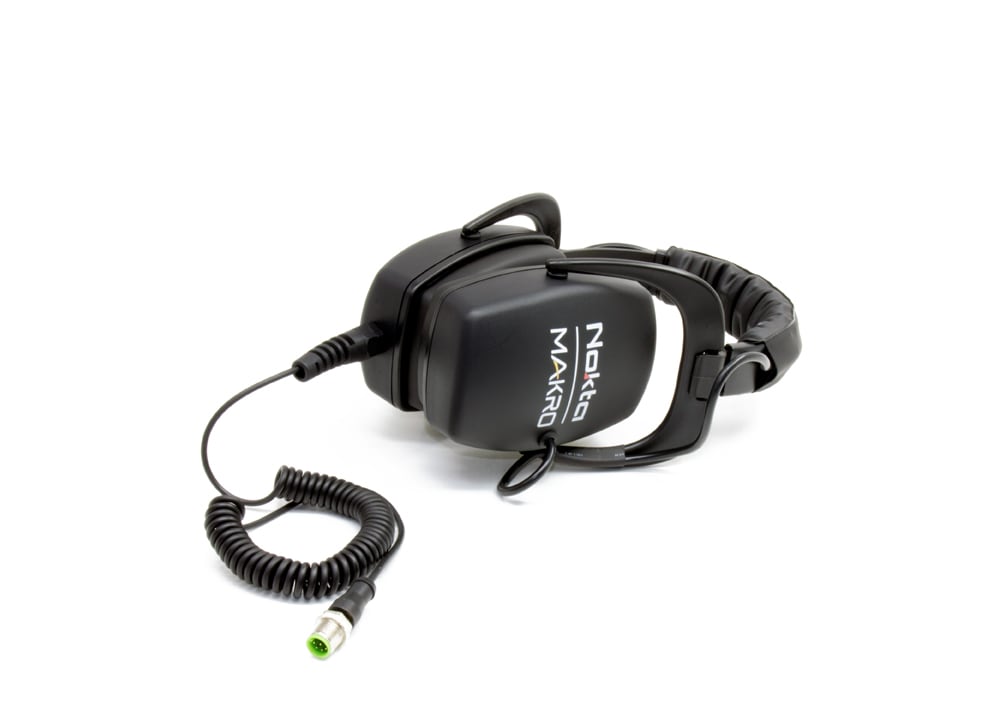
Before comparing features, check your detector's headphone socket. The plug shape, size and whether it's a standard or proprietary connector decide which headphones will physically connect and stay sealed.
The Garrett Ms 2 headphones with a waterproof connector suit detectors that take that version of the plug. If your detector uses a 2-pin connection, the Garrett Z Lynk headphone cable with a 2-pin connector is the matching cable to use. Mixing connectors without the right adapter is a common reason hunters end up with no sound or water getting into the socket.
A waterproof rating tells you how deep the housing is tested to hold out water, but it says little about how the headphones perform once submerged. Two things matter most in practice: whether the connector seals properly, and whether the speaker housing keeps the audio clear.
Ratings are not interchangeable. Treat them in four bands:
What a rating does not guarantee is just as important. It does not cover a damaged cable, a connector that is not fully seated, a worn O-ring, or a plug that matches the detector socket but not the seal. Most failures we see at the beach start at the connector or the cable, not the speaker housing. A depth rating also says nothing about sound quality underwater, volume and clarity depend on the speaker design, which is why the ONYX uses a SeaGhost waterproof speaker housing for volume both in and out of the water.
Match the band to your hunting, not to the biggest number on the page. Dry-sand and wet-line work is served by a sealed, water-resistant or splashproof wired pair. Wading and surf work needs submersible. Full immersion needs a depth-rated, submersible model such as the Garrett VORTEX submersible headphones. Remember that the ONYX headphones are for use on DEUS II volume level 1 only, because higher volumes with this detector can damage hearing.
Watch out: A depth rating on the housing does not extend to a connector that is only pushed part-way in, so seat every plug fully and check the seal before you enter the water.
The article breaks waterproof ratings into four bands, which are summarised below so you can match a rating to your hunting conditions.
| Rating band | What it means | Suited to |
|---|---|---|
| Water-resistant | Tolerates sweat, spray and light rain | Dry sand, light rain |
| Splashproof | Protects against directed water | Wet sand, surf spray |
| Submersible | Designed to be immersed | Wading, surf line |
| Depth-rated | States a maximum operating depth | Full immersion, e.g. 50m ONYX |
Wired headphones are the safer default for beach work. They don't depend on battery charge or pairing, and the connection to the detector stays simple. The trade-off is cable management: a long cable can snag on gear, tangle in your bag or catch on the sand.
Wireless models give you freedom of movement but add another battery to keep charged and another link that can drop out near salt water or metal objects. For most beach hunters, a sealed wired pair with a good connector is the more practical choice in wet conditions. Where a bone conduction option suits your detector, it removes the cable question entirely while keeping your ears open. Whichever style you choose, rinsing connectors and other exposed electronics with fresh water after a saltwater hunt helps limit corrosion, a concern also relevant to Charleston Yachting.
The decision comes down to four practical checks rather than brand preference:
A simple rule works for most hunters: choose wired and submersible for wet sand, surf and wading, and consider wireless only for dry-sand work where freedom of movement matters more than the extra battery and pairing risk. Bone conduction models such as the pair for ICON and ICON X detectors suit wading and diving while leaving your ears open, which is a useful middle path when you want awareness as well as audio.
Watch out: A wireless link that works on dry sand can drop out at the wet line, so test any wireless set in the conditions you actually hunt before relying on it in the surf.
Long sessions expose poor comfort quickly. Look for padded ear cups, a headband that doesn't press hard on the crown of your head, and a fit that holds through a few hours of walking and sweeping. The ONYX and Garrett VORTEX models are both listed with padded ear cups.
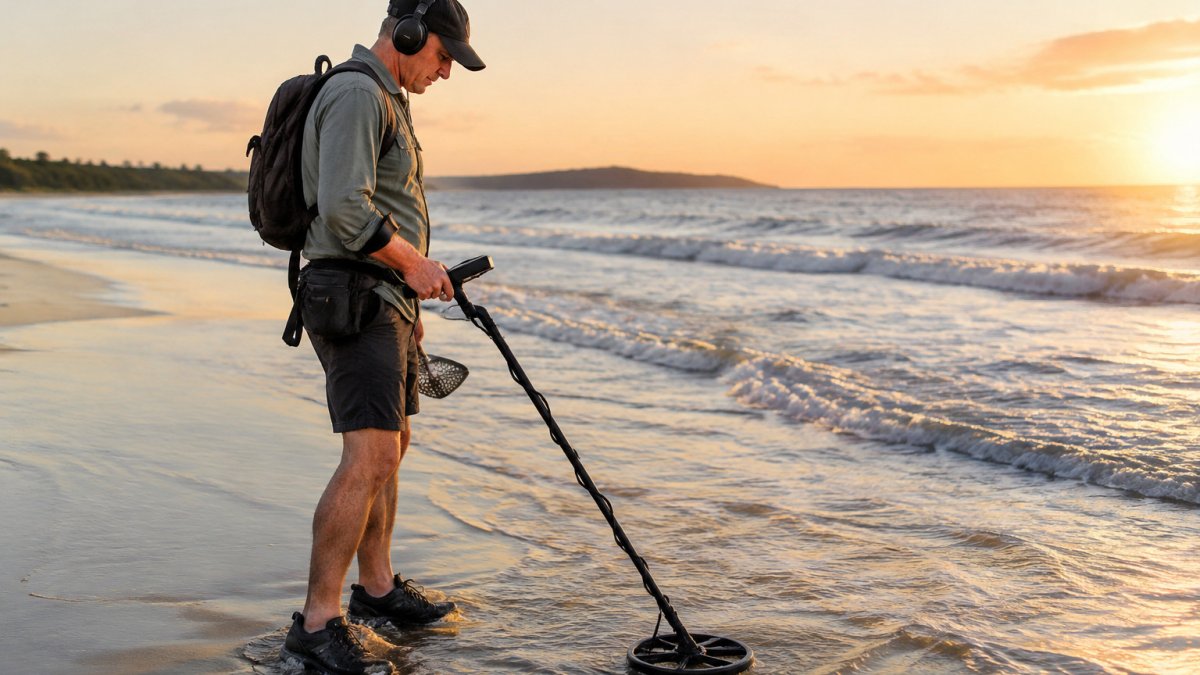
Sound clarity matters just as much. In windy or surf-noisy conditions, louder audio helps you hear faint signals. Keep your detector volume low enough to protect your hearing, especially with high-output detectors, and take breaks when your ears feel fatigued.
Salt, sand and grit are the main enemies of waterproof headphones. After every session, rinse the headphones and cable in fresh water and wipe the connector dry. Don't leave them soaking in the car or in a wet bag, because trapped salt can corrode contacts over time.
Let them air dry fully before storing them. Check the cable for cuts or kinks after each trip, since damage there is a common route for water into the system. A few minutes of care after each hunt keeps a good pair working for years.
Start with your detector. Confirm the connector, then match the waterproof rating to how far into the water you'll go. Dry-sand and wet-line hunters can do well with a sealed wired pair, while surf and wading work points toward a submersible or bone conduction model.
If you're not sure which setup suits your detector and beach conditions, contact our team through the enquiry form for help. You can also read our guide to choosing the best metal detector for Australian soil to make sure your detector suits the ground you hunt.
Not always. Waterproof ratings differ between models, and a headphone rated for submersion may still rely on its connector and cable seal to stay dry. Check the stated maximum depth and whether the rating applies to the whole unit or only the speaker housing. Products such as the ONYX Waterproof Headphones for XP DEUS II list a waterproofing rating of up to 50m, while the Garrett VORTEX Submersible Headphones are designed for submersion use with Garrett Vortex detectors. Rinse them after saltwater use regardless of rating.
Standard headphones can work on dry sand, but they are not designed for wet conditions. Water can enter the plug, jack or cable junction and cause crackling or failure, and salt residue can corrode contacts. For shallow water or wet sand, choose headphones built for submersion, or use bone conduction headphones such as the XP BH-02 for ICON and ICONX detectors, which leave the ears open and are designed for wading and diving. Always confirm the connector matches your detector before buying.
Start with your detector's headphone jack size and whether it needs a specific connector, such as a DEUS II style right-angle plug with an O-ring seal. Then check the product listing for named compatible models. Matching the jack alone is not enough if the connector is designed for a specific housing. If you are unsure, contact the retailer with your detector model before purchase, or consult the detector manufacturer's accessory list.
Rinse headphones with fresh water after every saltwater session, paying attention to the plug, cable and speaker housing. Dry them with a soft cloth and leave the plug and jack uncovered for air drying away from direct heat. Inspect the cable for nicks and check that rubber seals sit correctly. Store them coiled loosely rather than tightly wound, and test them on your detector before the next trip.
Comments will be approved before showing up.


