
Your Cart is Empty



Last Updated: October 12, 2026
Metal detecting artifacts are historical objects buried in soil that respond to metal detector signals, coins, jewellery, military relics, old tools, and decorative items spanning centuries of Australian history. Uncovering these remnants requires a nuanced understanding of heritage preservation, particularly when the process involves collecting religious artifacts.
Every target tells a story, a pre-decimal coin, a colonial brass button, a hand-forged nail. The key is knowing which signals to chase.
Most beginners dig everything, filling their bag with bottle caps and foil. Productive detectorists learn to read their machine and trust the signals that matter.
At Lost Treasures, we guide newcomers through this curve. The difference between a rewarding day and a frustrating one isn't luck, it's preparation: knowing what you're looking for, how your detector responds, and where artefacts hide.
Metal detecting laws in Australia vary significantly by state. You cannot simply walk onto land and dig.
Most public land requires permission, private land requires the owner's consent, and heritage sites are strictly protected.
New South Wales: A fossicking licence is required for Crown land, via the NSW Department of Planning.
Victoria: A Crown land licence is required, administered by the Department of Jobs, Precincts and Regions. Heritage overlays restrict detecting in sensitive archaeological zones.
Queensland: Fossicking permits come through the Department of Resources.
Western Australia: The Department of Mines, Industry Regulation and Safety issues prospecting licences. Detecting for gold requires specific authorisation. Heritage sites carry heavy penalties.
South Australia: Crown land requires permission, the SA Museum tracks heritage-listed sites, and private land detecting needs explicit written owner consent.
Tasmania: The strictest state. Heritage laws are rigorous, and most detecting requires permits from the Department of State Growth.
Before any trip, contact your state's relevant department. A ten-minute call saves you from a fine, or from damaging an irreplaceable site.
| State | Permit Required | Authority | Key Restriction |
|---|---|---|---|
| NSW | Yes | Department of Planning | Heritage overlays restrict access |
| Victoria | Yes | Department of Jobs, Precincts | Archaeological sensitivity zones |
| Queensland | Sometimes | Department of Resources | Aboriginal sites off-limits |
| WA | Yes | Department of Mines, Industry | Gold detecting restricted |
| South Australia | Yes | SA Museum liaison | Private consent mandatory |
| Tasmania | Yes | Department of State Growth | Strictest heritage laws |
When your detector beeps, you face a choice: dig or move on. The right call depends on understanding what your machine is telling you.
Your detector sends an electromagnetic signal into the soil; metal objects bounce it back. A crisp tone usually means a good target; a weak, scratchy signal often means trash or a deep object.
Learn your detector's voice by burying a coin, a bottle cap, and an old nail at different depths and listening to each. This takes hours but saves days of wasted digging.
Target identification depends on three factors: signal strength, tone consistency, and target ID reading. A strong, steady signal with a high ID suggests a coin or jewellery; a weak, stuttering signal at low ID often means iron trash or a deep artefact.
Most modern detectors display a target ID number. Coins, jewellery, and iron trash each read in their own ranges, study your manual's scale before you hunt.
When in doubt, dig. You'll waste time on some trash but find artefacts others miss, and your instinct sharpens over weeks.
False signals, beeps that don't lead to targets, are why beginners dig dozens of empty holes. Understanding their causes transforms your efficiency.
Ground mineralisation is the biggest culprit. Iron oxides, magnetite, and other minerals create background noise, and in heavily mineralised soil your detector beeps everywhere with nothing panning out.
Electromagnetic interference from power lines, radio towers, and mobile networks also triggers false signals. Move away from these sources when possible.
Wet soil and salt water amplify false signals. Beach detecting requires salt-capable machines, and wet inland soil also causes extra noise.
Here's how to reduce false signals in the field:
The Nokta FindX Pro includes automatic ground balancing, handling mineralisation without manual adjustment.

Understanding your detector's settings separates productive hunts from frustrating afternoons.
Sensitivity controls depth and responsiveness to ground noise. Higher sensitivity reaches deeper but creates more false signals in mineralised soil; lower sensitivity reduces noise but sacrifices depth.
Ground balance removes the detector's response to soil minerals. Set it before every hunt by holding the coil inches above bare ground, crucial for reducing false signals.
Target ID scale shows what metal your detector thinks it's found. Coins, jewellery, and iron trash cluster in different ranges; learning your scale lets you decide whether to dig.
Frequency affects behaviour in different soil. Higher frequencies (18+ kHz) detect small targets in mild soil; lower frequencies (5-10 kHz) penetrate deeper and handle mineralisation better. Most detectors let you switch.
Discrimination lets you reject certain metals, such as iron, to stop constant beeping on rusty nails.
[Book] Coin and Relic Detecting in Australia →
For metal detecting artifacts, start with these settings:
Adjust based on results: lower sensitivity if you're digging too much trash, raise it if you're missing deep targets. Your settings will evolve with experience.
A target identification chart maps what different metals sound like and read on your detector's scale. It's your field reference guide.
Your detector's manual includes a basic chart showing where coins, jewellery, iron, and aluminium typically read. Memorise the ranges for targets you're seeking.
For metal detecting artifacts, you're interested in:
Targets overlap, a small piece of brass reads like a small coin, and a large iron object reads differently than a small one. The only way to know for certain is to dig.
This is why experienced detectorists dig targets that might be artefacts rather than passing on anything uncertain. Over time you'll hear a signal and know whether it's worth the effort.
Laminate a copy of your manual's chart and carry it in your detecting bag. As you hunt, you'll develop your own mental chart of how specific targets sounded and what you found.
You've dug a hole, pinpointed with your coil, and uncovered something old, a coin, a button, a piece of metal with history attached.
Now what?
First, stop digging. Use your hands and a soft brush to expose the object carefully, rough handling damages fragile artefacts and destroys information about their context.
Second, photograph it in place. Before removing it, capture the object, soil, and surrounding area, this context matters to historians and archaeologists.
Third, record the location. Note GPS coordinates, property details, depth, and what you found. Multiple artefacts in one area can reveal an old settlement or camp.
Fourth, clean it carefully, or don't. Soil can protect artefacts from oxidation.
Fifth, research what you've found. Coin and Relic Detecting in Australia from Lost Treasures covers identification, dating, and historical context, understanding your artefact turns a curiosity into a story.
![[Book] Coin and Relic Detecting in Australia](https://cdn.shopify.com/s/files/1/1838/1787/products/1_3_12.jpg?v=1682215759)
Sixth, consider reporting significant finds. Many states encourage or require it.
Rare coins, military relics, and items from known historical sites are genuinely significant. If unsure, contact your state's heritage authority.
Starting metal detecting doesn't require thousands of dollars or years of study. It requires the right approach and realistic expectations.
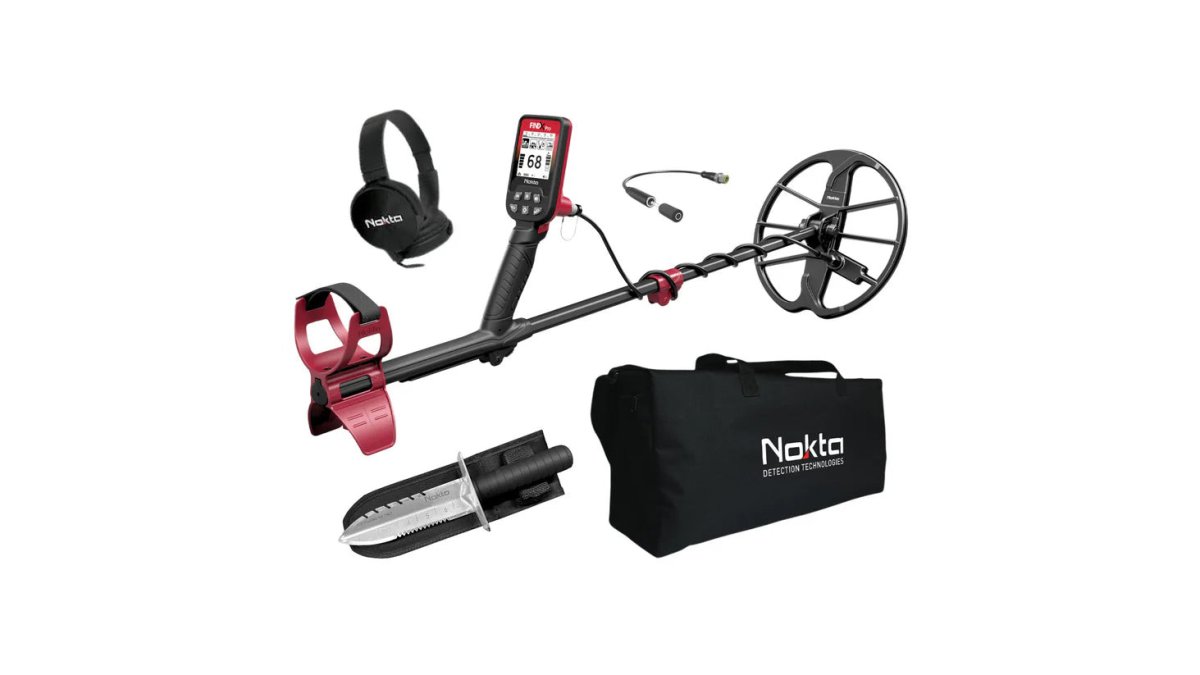
Invest in a quality digger. A poor tool turns hours of digging into back-breaking work.

Get training before your first hunt. Lost Treasures offers professional training for all skill levels.
Join a detecting club. Local clubs share locations, techniques, and knowledge, and many have access to private land.
Start in low-pressure locations. Hunt private land with permission or areas known to produce finds, a barren paddock teaches only frustration.
Keep records. Note location, date, weather, settings, and finds for every hunt. Over months, patterns emerge, revealing which areas produce artefacts and refining your technique.
Metal detecting artifacts in Australia is achievable for anyone, beginners find genuine artefacts within weeks.
Lost Treasures removes the guesswork: detectors, hire options to test before buying, and training so you start confidently.
Metal detecting artifacts rewards patience and preparation.
The laws protect these stories, the techniques find them without damage, and the community shares the joy of discovery.
Metal detecting is permitted in most areas, but permissions vary significantly by state and land type. Public land, private property with owner consent, and designated fossicking areas generally allow detecting. However, protected heritage sites, national parks, and Indigenous cultural areas have strict restrictions. Always check with your state's relevant authority before detecting, requirements differ between New South Wales, Victoria, Queensland, and other states. Responsible detectorists obtain permissions in writing and respect local heritage laws.
Use your detector's target ID scale and listen carefully to the signal tone. Genuine artefacts like coins, relics, and jewellery typically produce consistent, clear tones. Junk signals (bottle caps, foil, rusted nails) sound broken or irregular. Pinpoint mode helps isolate the exact location, genuine targets hold a steady signal when you sweep slowly over them. Digging practice teaches you to recognise patterns; coins often sit at consistent depths, while scattered trash signals are erratic. The Nokta FindX Pro's automatic search modes help beginners distinguish targets by environment.
Increase sensitivity gradually to detect deeper targets, but balance it against false signals in mineralized soil. Use single-frequency or multi-frequency modes suited to your terrain, beach detecting benefits from salt-water modes, while goldfields require ground balancing. Lower your search coil speed over suspected targets to confirm depth. Pinpoint mode with a smaller coil reveals exact target size and depth before digging. The Nokta Double Score's simultaneous multi-frequency technology excels at detecting deep relics without excessive false signals, making it ideal for serious artifact hunters.
Stop digging immediately and document the find's location carefully. Take photos of the artefact in situ if possible, note the depth and soil type, and record GPS coordinates. Contact your state's heritage authority or museum, they can assess significance and advise on proper handling. Never clean or alter the artefact, as this damages archaeological context. Many significant finds require reporting to authorities; compliance protects you legally and contributes to Australia's historical record. Responsible reporting distinguishes serious detectorists from treasure seekers and ensures finds are preserved appropriately.
Comments will be approved before showing up.


