
Your Cart is Empty



Last Updated: October 25, 2026
Quick Summary
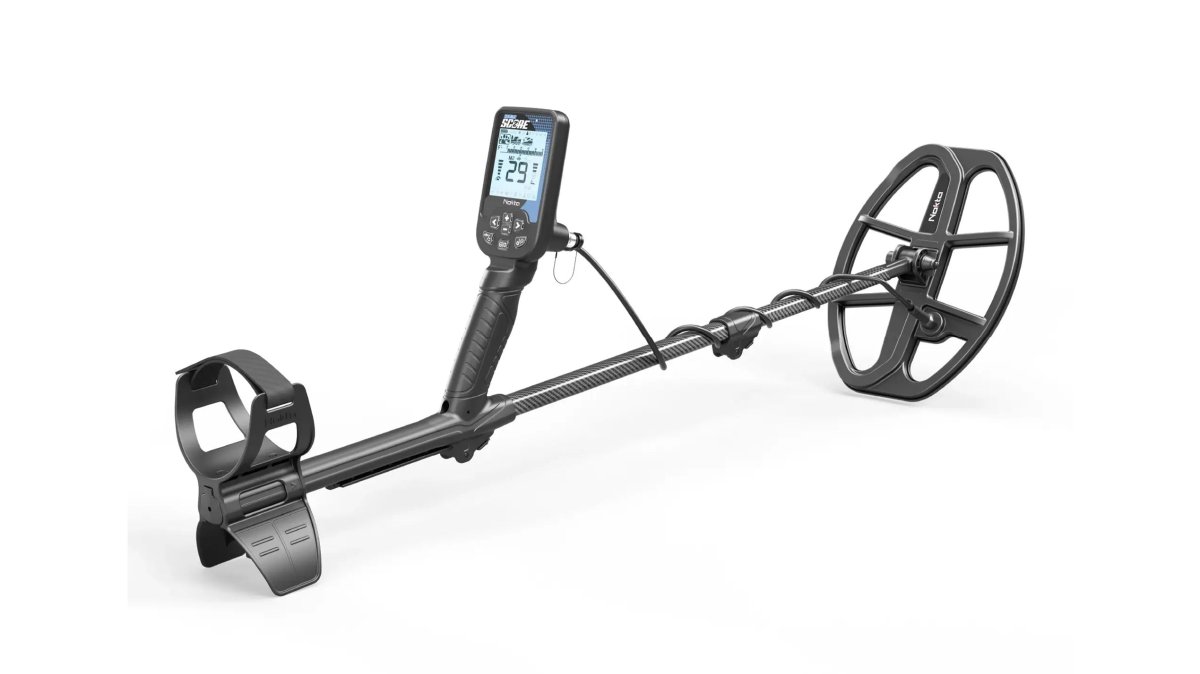
The best metal detector under $400 is the Nokta FindX Pro, which sits genuinely under the $400 line and is our top pick for most buyers. It offers fully automatic search modes, real discrimination, adjustable sensitivity, and a waterproof coil submersible to 5 metres. For coins, relics, jewellery, and beach work, this band covers everything a beginner needs.
Four hundred dollars is the entry point where a metal detector stops being a toy and starts being a tool. We see this price band as the practical floor for a machine you can grow with rather than outgrow in a season. Below it, you tend to get fixed ground balance, a coil that struggles in mineralised soil, and controls that fight you. At the best metal detector under $400, you get real discrimination, adjustable sensitivity, and a waterproof coil that handles wet ground.
That is the honest answer to whether a $400 detector is worth it. It is, provided you know what you are buying and what you are not.
What $400 does not buy is a goldfield specialist. Serious gold prospecting machines sit well above this price.
Below, we break down exactly what the money gets you, which models we would actually recommend, and how to avoid the traps that catch first-time buyers.
Here is how the leading options in this bracket stack up.
| Detector | Price (AUD) | Best For | Waterproofing | Warranty |
|---|---|---|---|---|
| Nokta FindX Pro | $419 | Beginners, all-round use | Fully submersible to 5 m | 2 years |
| Nokta Double Score | $749 | Wet sand, saltwater | Waterproof | 3 years |
| XP ORX Bundle | $1,299 | Gold and coin crossover | Water-resistant | 5 years |
You can browse the metal detector range to compare current prices and specifications side by side.

The Double Score and ORX sit above it, but they matter because they show you what the next step up looks like, and because a used or refurbished unit sometimes lands closer to your budget.
For most beginners, the Nokta FindX Pro is the best beginner metal detector you can buy without overspending.
The turn-on-and-go design matters more than the spec sheet suggests.
It ships as a complete set: a waterproof DD search coil and cover, headphones, a premium digger, and a carrying bag.
For a deeper beginner-focused look at gold-capable machines, read our guide to the best gold detector for beginners.
The features that matter most for a beginner are ground balance, discrimination, and a waterproof coil, not the number of modes on the box. Everything else is secondary until you have dug a few hundred targets.
Here is what to prioritise:
A note on waterproofing: many budget detectors claim a "waterproof coil" but only the coil is sealed, not the control box. Once you have your machine, our beginner setup guide walks through first-use settings so you are not guessing on day one.
Gold prospecting is where a sub-A$400 budget meets its hardest test. The honest position is that no new machine in this bracket is a dedicated nugget hunter, but some VLF detectors can find small shallow gold in mild ground if you accept strict limits. The gap most buying guides miss is the distinction between a general-purpose coin-and-relic detector and a machine with the frequency and ground-handling to cope with mineralised goldfields.
In mild ground, a capable sub-A$400 VLF with a small coil can pick up sub-gram nuggets at shallow depth. In heavily mineralised goldfields, the red, iron-rich soils common in known gold regions, the same machine will struggle: ground noise rises, depth collapses, and target ID becomes unreliable. Most practitioners treat this bracket as a way to learn coil control, threshold discipline and recovery technique before stepping up to a dedicated gold machine.
At this budget, the practical path is a versatile VLF that covers coins, relics and jewellery well and gives you a fair shot at shallow gold in mild soil. Once you have it in hand, our step-by-step calibration guide shows how to get the most from a budget gold detector.
Best for: hobbyists testing whether gold prospecting is for them, in mild ground. Skip if: you expect to work deep, hot ground from day one, save toward a dedicated gold machine instead.
Metal detecting licence requirements vary by state and territory, and fossicking for gold is regulated separately from detecting on public land. There is no single national rule, so check the specifics for where you intend to detect before you travel.
In practice, this means confirming three things: whether fossicking requires a permit in that state, whether detecting is allowed on the land you have in mind, and whether any finds must be reported. Crown land, national parks, and private property each carry different rules. Always seek permission on private land, and never assume a beach or reserve is open to detecting.
Because the rules change and differ by jurisdiction, we recommend checking the relevant state or territory government resource before each trip rather than relying on forum advice. Getting this right protects you and the hobby.
Ground conditions are the single biggest factor in how a detector performs, and the variation across the continent is wider than most buying guides admit. The variation across the continent is wider than most buying guides admit.
Iron-rich red soils, common across inland gold regions, produce ground noise that a detector must cancel before it can hear a target. A machine with fixed ground balance cannot adapt, so it either chatters constantly or loses depth as sensitivity is turned down to compensate. Automatic or tracking ground balance lets the detector follow changing mineralisation, which is why it is the first feature to check at this price.
Salt is conductive, and wet sand produces a broad response that can mask small targets. Salt rejection and a genuinely waterproof coil matter more than raw depth here. Check whether the coil or the whole unit is waterproof: many budget detectors seal only the coil, leaving the control box vulnerable to spray and surf. A fully submersible unit opens up shallow-water work that a coil-only design cannot handle.
The practical rule is to buy for the ground you actually detect, not the ground you aspire to. A park-and-beach detector suits coastal and suburban hunters; a goldfields hunter needs frequency options and ground handling a basic unit cannot provide. If you are unsure whether a detector will cope with your local soil, ask before you buy, it is the question we hear most, and the honest answer depends on where you swing.
Hiring or booking a demo is the smartest way to test a detector before committing, especially if you are unsure you will stick with the hobby. It removes the risk of spending on a machine that does not suit your ground or your goals.
At Lost Treasures, we offer detector hire and training for all skill levels, alongside our range of accessories and parts. You can also browse metal detector accessories to complete your setup.
The standout option is the Nokta FindX Pro at $419, which sits just above the $400 mark but includes a waterproof 11-inch DD coil, headphones, digger and carry bag. It offers four automatic search modes (Field, Park, Beach, Jewelry), a 0-99 target ID scale, five sensitivity levels and up to 12 hours of battery life from a rechargeable lithium cell. For strict sub-$400 budgets, entry-level VLF detectors with a waterproof coil and basic discrimination are the realistic target.
Look for a turn-on-and-go machine with preset search modes, a clear target ID display and a waterproof coil. The Nokta FindX Pro is built for this: its single-menu interface and automatic Field, Park, Beach and Jewelry modes let you start detecting without adjusting settings. It weighs 1.2 kg, retracts to 63 cm for transport, and includes a pinpoint function so you spend less time digging empty holes.
You can find shallow gold nuggets with a budget VLF detector, but performance drops in highly mineralised ground. A sub-$400 machine works best on small, near-surface nuggets in milder soil. For serious gold prospecting in harsh goldfields, a pulse induction detector like the Nokta Magnetar 9000 is the proper tool, but it costs $7,999. A realistic budget path is to start with a VLF detector for coins and relics, then upgrade when you know the hobby suits you.
Requirements vary by state and territory. In most jurisdictions you can use a metal detector for recreational coin and relic hunting on public land without a licence, but fossicking for gold or gemstones may require a fossicking licence or permit. Always check the rules with the relevant state mines department before you head out. On private land, you need the landowner's permission, and heritage laws protect Aboriginal and historical sites.
Priorities include a waterproof search coil (so you can hunt wet sand and shallow water), adjustable discrimination to filter iron trash, a target ID scale, ground balance (automatic or manual) for mineralised soil, and a lightweight, adjustable shaft. A rechargeable battery saves ongoing costs, and a warranty of at least two years adds peace of mind. The Nokta FindX Pro covers all of these at $419, with a 2-year warranty and IP68 waterproofing to 5 metres.
The real question is not whether a $400 detector is worth it, but whether you buy the right one for your ground and goals. Start with a machine that handles your local soil, learn its settings properly, and hire first if you are unsure. Lost Treasures can help you choose with expert guidance, detector hire, and training for every skill level. Get started with Lost Treasures and find the detector that fits your budget and your ground.
Comments will be approved before showing up.


