
Your Cart is Empty



Last Updated: October 17, 2026
A metal detector recovery service is a specialised operation that locates lost metallic items using professional-grade detection equipment and expert search techniques. Whether you've lost a wedding ring at the beach, dropped keys in a park, or misplaced jewellery anywhere outdoors, these specialists use precision metal detecting technology to find what matters most to you.
The service combines two critical elements: advanced equipment and trained operators who understand how to interpret signals, distinguish genuine targets from false positives, and search systematically across different terrain types. What sets a professional metal detector recovery service in Australia apart from casual hobbyists is their methodical approach, knowledge of local conditions, and commitment to recovering your specific item rather than exploring for treasure.
At Lost Treasures, we understand the urgency and emotional weight of losing something valuable. Our recovery assistance service can guide you through the recovery process, whether you choose to search yourself with hired equipment or engage a specialist directly.
When you contact a lost jewellery recovery service, the process typically begins with gathering critical information about where and when you lost the item. The more specific you can be about the location, a particular stretch of beach, a section of parkland, or a specific property, the more efficiently the specialist can focus their search effort.
Once the search area is defined, the specialist arrives with professional-grade metal detectors calibrated for detecting the type of metal in your item. For gold jewellery, silver rings, or platinum bands, different detector settings optimise sensitivity to each metal's conductivity. The operator then conducts a systematic grid search, sweeping the detector coil methodically across the ground at consistent height and speed.
When the detector signals a target, the specialist carefully excavates a small section to retrieve the item without damaging it. This recovery phase requires care, rushing or using inappropriate tools can scratch or break delicate pieces. Professional operators use small scoops and brushes, gently removing soil to expose the target before extraction.
The success rate of a metal detector recovery service in Australia depends heavily on several factors: how long ago the item was lost (fresh losses are easier to recover), whether the item is still in its original location (wind, water movement, or foot traffic can shift items), and the type of terrain. Beach searches often succeed because sand holds items in place, whilst heavily trafficked areas present greater challenges.
One of the biggest frustrations for anyone using metal detecting equipment is false signals, the detector alerting to something that isn't actually a target worth excavating. Understanding what causes these signals is essential for efficient searching and avoiding wasted effort digging up rubbish.
Metal detectors respond to any conductive material, not just the metal you're hunting for. This means old bottle caps, discarded aluminium cans, rusty nails, and buried wire all trigger responses. In populated areas like beaches and parks, decades of human activity create a "noise floor" of unwanted metal scattered throughout the soil. A professional recovery specialist learns to distinguish between genuine targets and false signals by listening to the detector's tone, observing signal strength and consistency, and understanding what types of junk are typical for that location.
Ground conditions also generate false signals. Highly mineralised soil, common in many Australian regions, contains iron oxides that create background noise. Salt water at beaches introduces additional electromagnetic interference. Wet soil conducts electricity differently than dry soil, changing how the detector responds. A skilled operator accounts for these variables, adjusting detector settings and search technique to minimise false signals whilst maintaining sensitivity to genuine targets.
The detector's frequency also matters. Higher-frequency detectors (typically 18 kHz and above) excel at finding small jewellery but struggle more with ground mineralisation. Lower-frequency models handle mineralised soil better but may miss tiny items. Professional recovery services often use mid-range frequency detectors specifically chosen for Australian conditions and the types of items most commonly lost.
Distinguishing a genuine target from false noise requires both technical skill and experience. Professional operators listen intently to the detector's audio response, which varies based on target size, depth, conductivity, and ground conditions. A sharp, clear tone usually indicates a genuine metallic target, whilst a stuttering or inconsistent signal often points to ground mineralisation or electromagnetic interference.
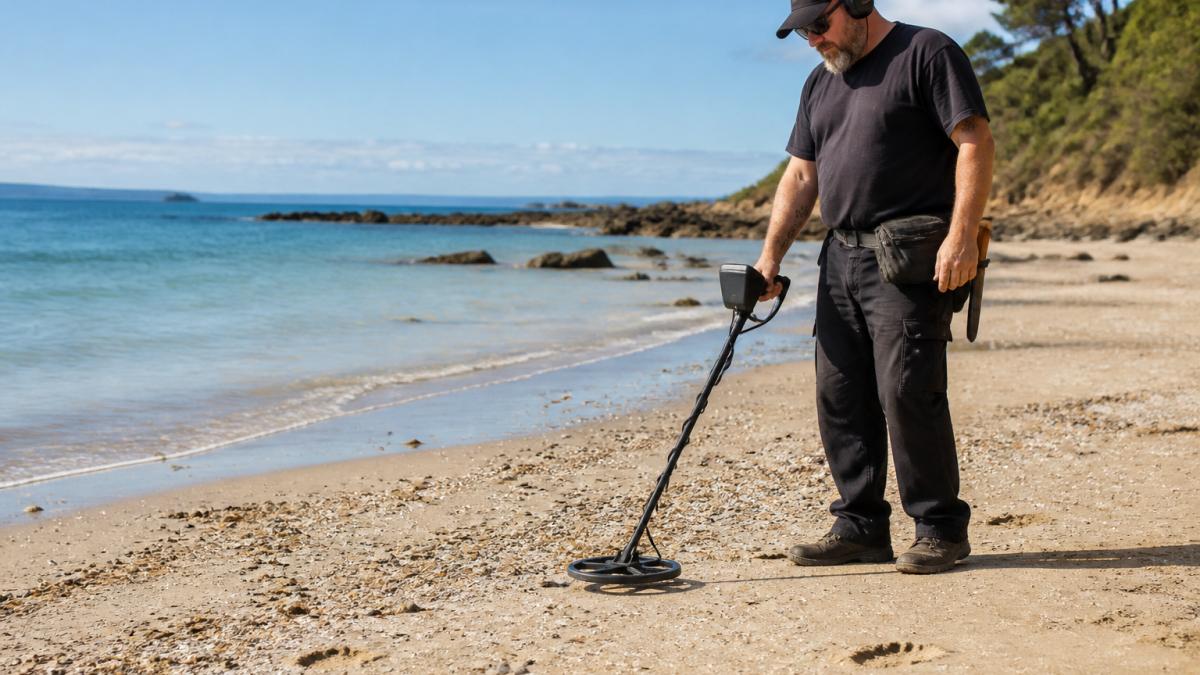
Visual inspection of the excavation site provides clues too. When you dig a small test hole, the pattern of soil displacement and the presence of other metal fragments nearby help confirm whether a signal came from a genuine target or background noise.
Pinpointing techniques narrow down exactly where a target sits within the detection zone. Once the detector signals a target area, the operator uses smaller, more precise sweeps to isolate the exact spot. This reduces unnecessary digging and prevents damage to the item. Some professional detectorists use a pin-pointer tool, a smaller, handheld detector, to locate the target within a few centimetres before excavation begins.
Depth estimation is another critical skill. The detector's signal strength indicates roughly how deep a target lies. Items buried deep require more careful excavation; shallow items are usually recovered quickly. Understanding depth helps the specialist decide whether continued searching in an area is worthwhile or whether the item may have been moved by water or foot traffic.
The cost of engaging a metal detector recovery service in Australia varies based on several factors: the size of the search area, the terrain type, how long ago the item was lost, and the specialist's location and experience level. Rather than quoting a fixed price, most specialists discuss your situation, estimate the search difficulty, and provide a cost estimate before beginning work.
Search area size directly impacts cost. A focused search of a small section of beach where you lost your ring within the past few hours is a different proposition than searching a large park where an item disappeared weeks ago. Some specialists charge by the hour, whilst others negotiate a flat fee for a defined search effort. Call-out fees may apply, particularly if you're in a remote area or the search requires travel time.
Payment arrangements typically occur after successful recovery. Many specialists don't charge if the item isn't found, operating on a "no find, no fee" basis, though some may charge a smaller call-out fee to cover their time and travel costs. This arrangement protects you from paying for unsuccessful searches whilst ensuring the specialist is motivated to conduct a thorough, professional search.
When contacting a recovery specialist, ask directly about their pricing structure, whether they charge if unsuccessful, what's included in their service, and realistic expectations for your specific situation. Transparent communication about cost upfront prevents misunderstandings and helps you decide whether professional recovery is the right choice for your lost item.
Not all metal detecting specialists offer recovery services, and not all recovery services maintain the same standards. Choosing the right specialist increases your chances of successful recovery and ensures your item receives proper care.
Experience with your specific item type matters significantly. A specialist who regularly recovers wedding rings at beaches has developed techniques and equipment settings optimised for that task. Someone primarily focused on gold prospecting may lack the precision needed for delicate jewellery recovery.
Verify their equipment quality and maintenance practices. Professional-grade metal detectors cost considerably more than consumer models, but they offer superior target discrimination, better ground balancing, and more reliable performance in challenging conditions.
Check references or testimonials from previous clients. Have they successfully recovered items similar to yours? How did they communicate throughout the process? Did they treat the recovered item with appropriate care? Genuine specialists are happy to provide references or direct you to online reviews from satisfied customers.
Understand their search methodology and what they'll do to locate your item. Will they conduct a systematic grid search, or do they have a different approach? How will they handle excavation to protect your item from damage? What happens if the item isn't found, will they explain why and offer suggestions for alternative approaches?
Lost Treasures can guide you through selecting and engaging a recovery specialist. Our team also offers detector hire if you'd prefer to search yourself with professional equipment and basic training.
The first hours after losing something valuable are critical. Your immediate actions directly affect the likelihood of successful recovery.
Stop retracing your steps haphazardly. Instead, try to pinpoint the exact location where you last definitely had the item. Was it in your pocket when you sat down at the beach? Did you notice it on your hand before entering the water?
Mark the area if possible. If you're at a beach, note landmarks, a particular rock formation, a nearby building, or a distinctive tree. If it's a park, remember which path you were on and roughly how far along.
Avoid searching the area yourself with your hands or feet. You might inadvertently move the item deeper into sand or soil, making it harder to find with a metal detector.
Contact a recovery specialist promptly. Fresh losses are significantly easier to recover than items lost weeks or months ago. Environmental factors, rain, wind, foot traffic, water movement, gradually shift items or bury them deeper. The sooner a professional begins searching, the better your chances.
If the lost item has sentimental value beyond its material worth, be direct about this when contacting a specialist. Knowing the item matters deeply often motivates specialists to invest extra effort and care in the recovery process.
Document the loss for insurance purposes if applicable. Note the date, time, and location. Record the item's description, approximate value, and any identifying features. This documentation helps both with insurance claims and with providing the specialist with detailed information.
Losing a valuable item is stressful, but professional metal detector recovery services offer genuine hope for recovery. Whether it's a wedding ring lost at the beach, dropped keys in a park, or jewellery misplaced on your own property, specialists equipped with professional-grade metal detecting technology and years of experience can locate items you thought were gone forever.
The key is acting quickly, providing precise location information, and choosing a specialist with genuine experience in your specific situation. Lost Treasures supports your recovery journey through detector hire with expert guidance, comprehensive training for DIY searches, and recovery assistance connections across Australia. Our team understands the emotional weight of lost items and remains committed to helping you explore every avenue for recovery. Contact us today to discuss your situation and discover your recovery options.
Recovery specialists use professional-grade metal detectors to scan the search area systematically, typically in a grid pattern. They adjust detector settings based on the item's metal composition and the soil or sand type. Once a target signal is detected, they carefully excavate the area to verify the find. Experienced specialists distinguish between genuine targets and false signals caused by trash metal or mineralised soil, significantly increasing the likelihood of successful recovery.
Metal detecting recovery cost varies based on the search location, area size, accessibility, and whether the search is on land or underwater. Call-out fees, travel time, and the complexity of the terrain all influence pricing. Contact your local recovery specialist for a quote tailored to your situation. Many services offer flexible arrangements and may adjust fees if the item is successfully recovered versus unsuccessful searches.
Provide as much detail as possible: the exact location or closest landmark, the date and time lost, the item's description (metal type, weight, distinctive features), what you were doing when you lost it, and any recent activity in the area. If the item was lost at the beach, mention tide information and weather conditions. The more information you supply, the better the specialist can plan their search strategy and adjust detector settings for optimal target identification.
Yes, metal detectors are highly effective for beach ring recovery. Sandy beaches are ideal search environments because sand conducts metal detection signals well and is easy to excavate. However, success depends on factors including how deep the ring has sunk, beach composition, the presence of black sand or iron-rich minerals, and how recently the loss occurred. Professional recovery specialists understand beach conditions and use appropriate detector settings to locate rings successfully, even in challenging sand conditions.
Comments will be approved before showing up.


